

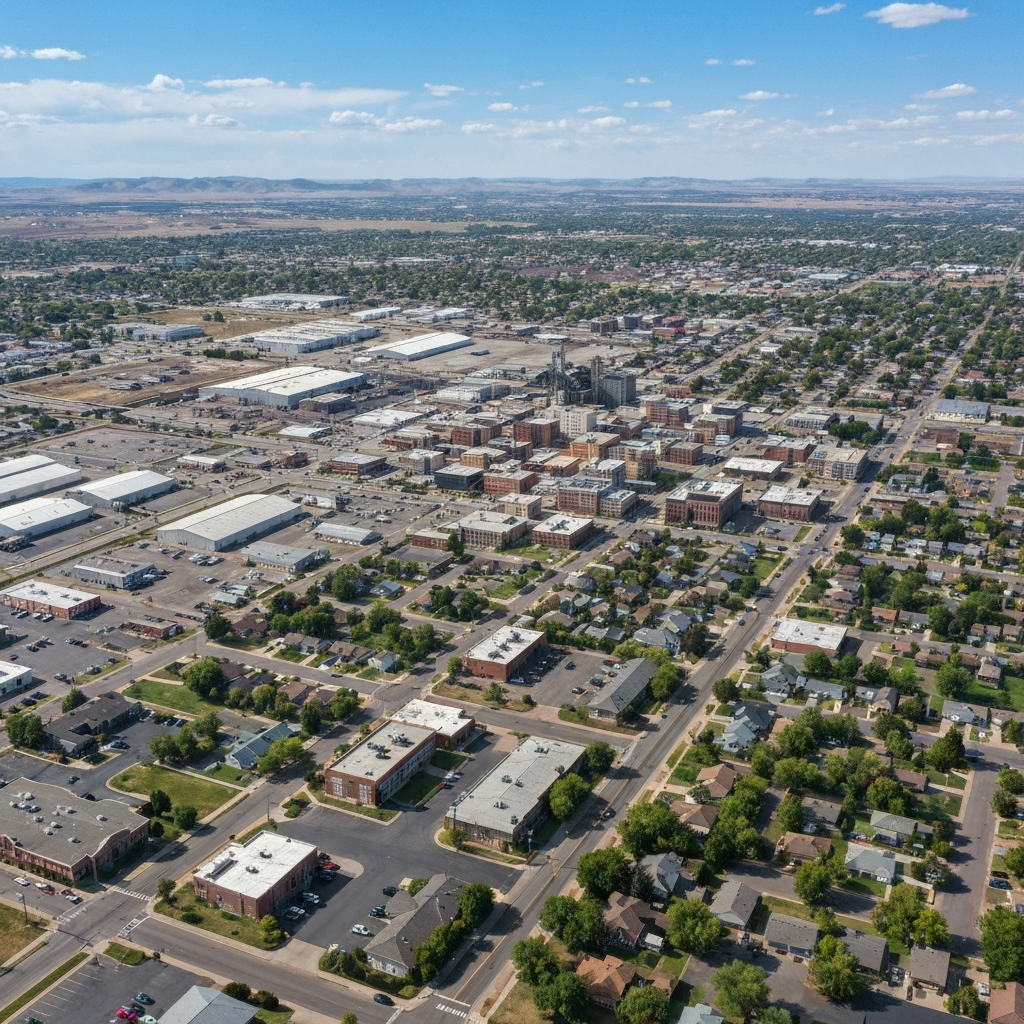
Pueblo, Colorado, historically known as a Democratic stronghold due to its industrial and unionized roots, has become a focal point in understanding the state’s evolving political landscape. The city’s shifting voter sentiments mirror broader trends affecting Colorado’s electoral dynamics.
Historical Context and Political Shifts
Once a bastion of Democratic support, Pueblo’s political allegiance began to waver in recent years. Notably, in the 2016 presidential election, Pueblo County voted for a Republican candidate for the first time since 1972, signaling a significant shift in voter preferences. This change underscores the city’s role as a microcosm of the state’s broader political transformations.
Economic Concerns and Voter Sentiment
Economic issues have been at the forefront of Pueblo’s political discourse. Residents have expressed concerns over affordability and economic stability, influencing their voting behavior. Both major political parties have recognized these concerns, with Democrats acknowledging past oversights and committing resources to address economic challenges, while Republicans have emphasized grassroots outreach focusing on affordability and crime.
Implications for Statewide Elections
Pueblo’s political evolution offers valuable insights into Colorado’s electoral future. The city’s demographic and economic profile makes it a bellwether for statewide trends. As parties refine their strategies, understanding Pueblo’s unique dynamics becomes essential for predicting and influencing Colorado’s political trajectory.
In conclusion, Pueblo’s shifting political landscape reflects broader changes within Colorado. By examining the factors influencing voter behavior in Pueblo, stakeholders can gain a deeper understanding of the state’s evolving political environment.