

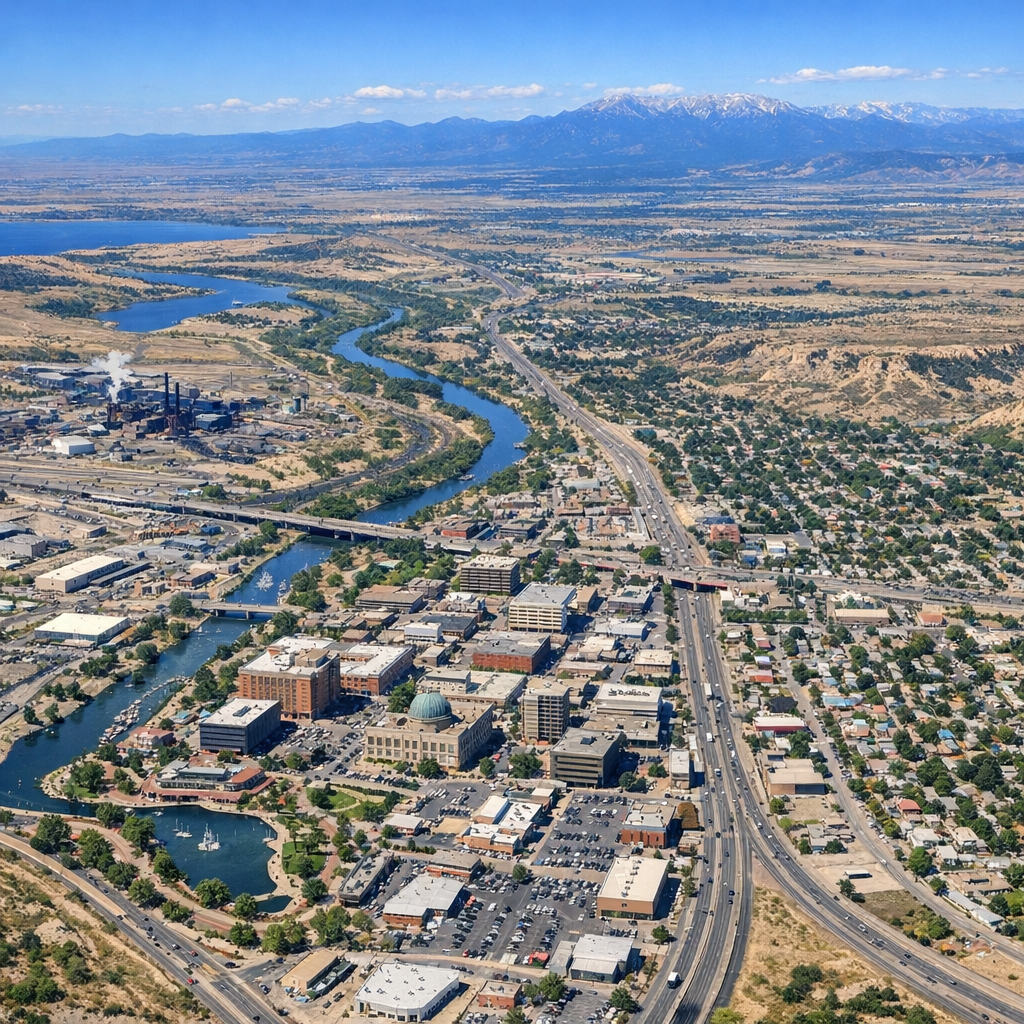
Pueblo, Colorado, has long been recognized as a significant player in the state’s political arena. Historically a Democratic stronghold, the city has experienced notable shifts in voter sentiment over recent years, making it a focal point for both major political parties.
Historical Context
Once celebrated for its robust unionized industrial base, Pueblo’s political allegiance was predominantly Democratic. However, in 2016, the city made headlines when it supported a Republican presidential candidate for the first time since 1972, signaling a transformation in its political landscape.
Current Political Climate
In the lead-up to the 2026 state elections, Pueblo has garnered heightened attention. Both the Democratic and Republican parties have chosen the city as the venue for their state assemblies, underscoring its strategic importance. Democratic Party Chair Shad Murib emphasized the necessity of engaging with Pueblo’s electorate, stating, “It’s a critical county for us to be able to show which direction the state’s heading.” Conversely, Republican leaders are intensifying grassroots efforts, focusing on issues like affordability and crime to resonate with local voters.
Implications for Colorado
Pueblo’s evolving political dynamics are indicative of broader trends within Colorado. As parties vie for influence in this pivotal region, the outcomes in Pueblo could serve as a bellwether for the state’s future political direction. The city’s unique blend of historical significance and contemporary challenges positions it at the heart of Colorado’s electoral discourse.